




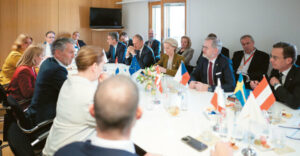
In just a few weeks, a flurry of European Union summits focused on defense and security, interventions by the European Commission, and meetings among the so-called “willing states” on Ukraine’s security have unfolded at breakneck speed. It’s a concerted effort to find the means and methods for a massive and rapid rearmament of the European Union.
The concept of EU defense autonomy is not new. As early as 2015, former European Commission President Jean-Claude Juncker publicly called for a European army—a proposal swiftly rejected by EU member states.
Ten years later, on Thursday, March 20, during the European Council summit, the 27 heads of state and government agreed on a common strategy to enhance defense capabilities over the next five years. The timeline is no coincidence: some European intelligence services have warned of possible Russian aggression against one or more EU countries within three to five years, while several European governments do not rule out a partial or complete U.S. military withdrawal from the continent.
The framework had already been laid out in the European Commission’s so-called “White Paper” on rearming Europe, with the executive branch of the EU hoping to mobilize up to €800 billion by 2030 for the procurement of defense equipment—most of which should be produced within the EU.
Where Will the Money Come From?
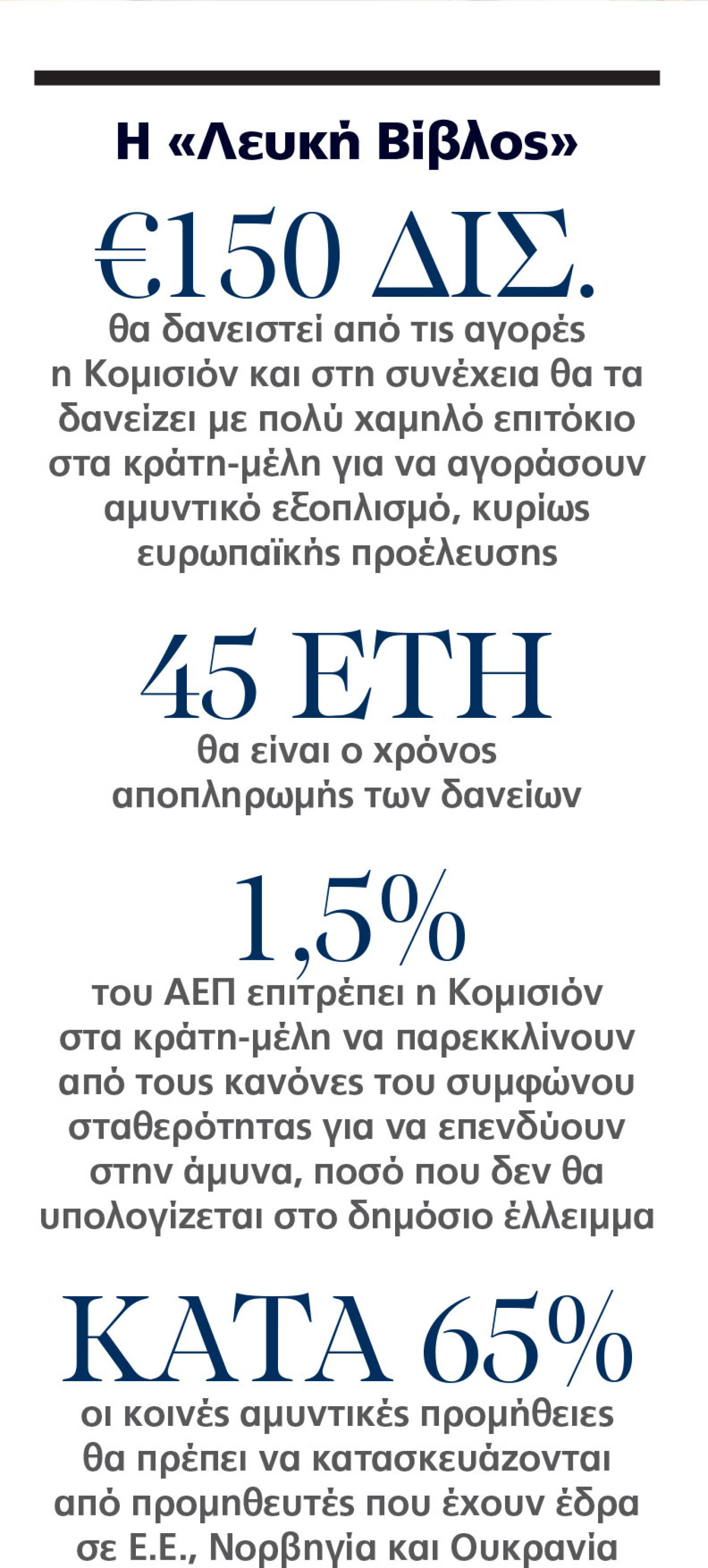
Key elements of the plan include a new fund called SAFE (Security Action for Europe), through which member states will have access to €150 billion, borrowed from the markets by the European Commission and then lent to member states at very low interest rates. The Commission, enjoying a top-tier AAA credit rating, can borrow at far lower rates than many EU countries.
Loan applications must be submitted by June 30, 2027, and repayment is due within 45 years. At the same time, the Commission allows EU countries to deviate from the Stability Pact rules to invest up to 1.5% of their GDP annually in defense—spending that won’t count toward their public deficit. Optimistic projections suggest this could unlock as much as €650 billion.
However, many in Brussels believe the €800 billion target is unlikely to be reached. Some of the EU’s largest and wealthiest nations, such as Germany, which has announced defense spending increases up to €500 billion, have no intention of taking out EU-backed loans. Meanwhile, heavily indebted southern European states are reluctant to assume new financial burdens.
To stimulate the European defense industry and satisfy France, the EU’s largest defense producer, the Commission stipulates that jointly funded procurements under SAFE must be at least 65% manufactured by suppliers based in the EU, Norway, or Ukraine. While loans will be available only to these countries, procurement may involve third parties.
Eligible third countries include EEA/EFTA states (Switzerland, Iceland, Liechtenstein), security and defense partners like Moldova, South Korea, Japan, Albania, and North Macedonia, as well as EU candidate and potential candidate countries. Although the UK is currently excluded, Turkey, as a candidate country, could theoretically benefit—under specific conditions.
Turkey’s Role
According to the Commission’s proposals, candidate countries can participate in joint defense procurements but cannot access SAFE loans. Turkey, as an EU candidate, could theoretically secure a portion of the hundreds of billions allocated for defense over the next five years.
The Commission’s White Paper includes a dedicated paragraph on Turkey, noting:
“Turkey is a candidate country for EU accession and a long-standing partner in the area of the Common Security and Defense Policy. The EU remains constructively engaged in developing a mutually beneficial partnership in all areas of common interest,” in line with the conclusions of the April 2024 European Council.
This aligns with the positions of Athens and Nicosia, as the European Council has essentially linked progress in EU-Turkey relations to the Cyprus issue and the situation in the Eastern Mediterranean. However, the EU’s defense capabilities in specific sectors—such as UAVs and anti-drone systems—remain limited, a concern for member states like Poland and Germany.
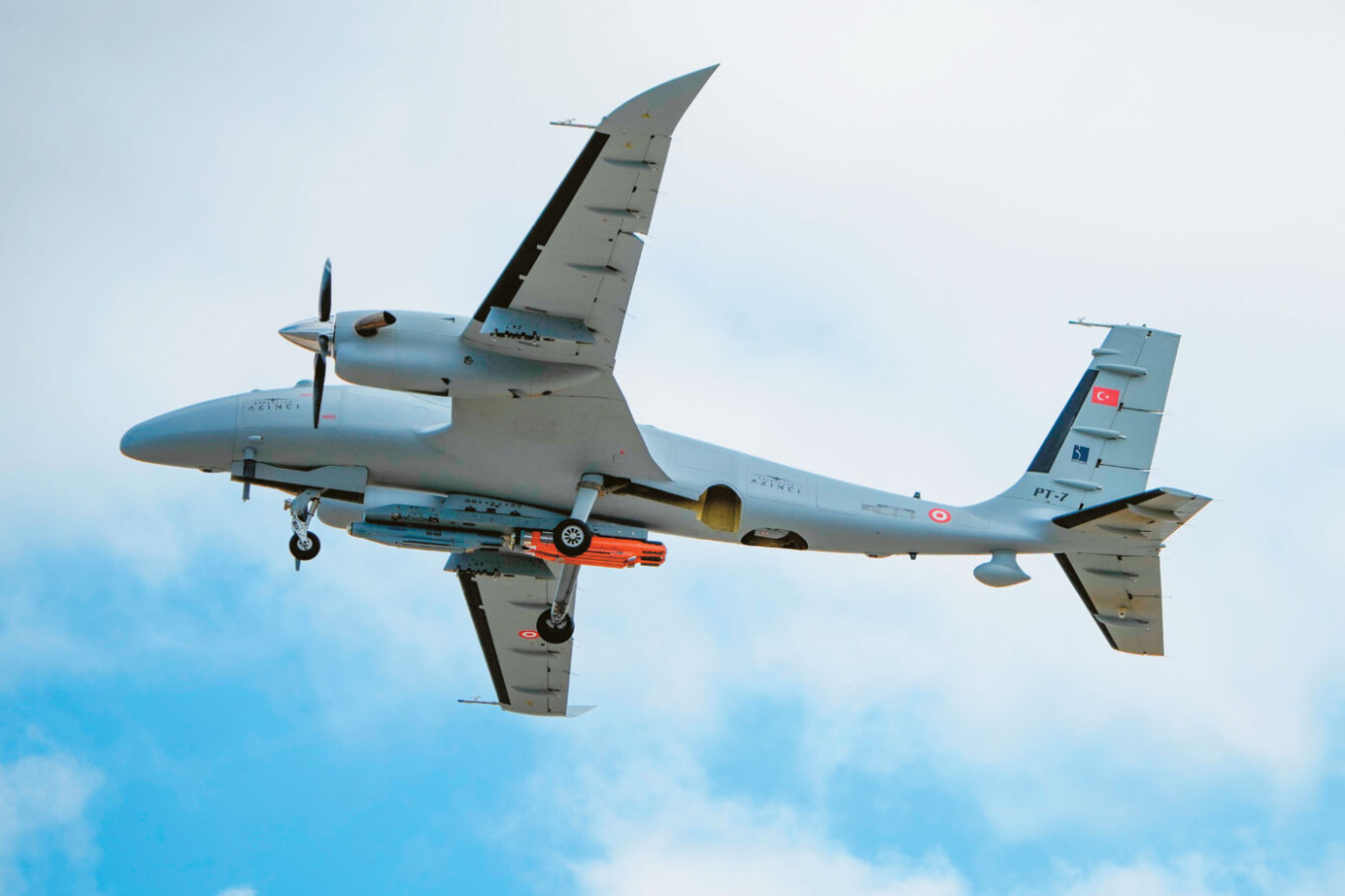
Turkey aims to fill that gap through joint projects with European firms. In early March, Italian defense giant Leonardo announced a collaboration with Turkish firm Baykar—owned by the Turkish president’s son-in-law—for UAV production. This market is projected to reach €100 billion over the next decade.
The United Kingdom
The UK is not only Europe’s second nuclear power but also home to a powerful defense industry already involved in many pan-European defense projects. EU officials acknowledge that the production chains between the UK and EU are so complex and interdependent that severing them would be extremely damaging.
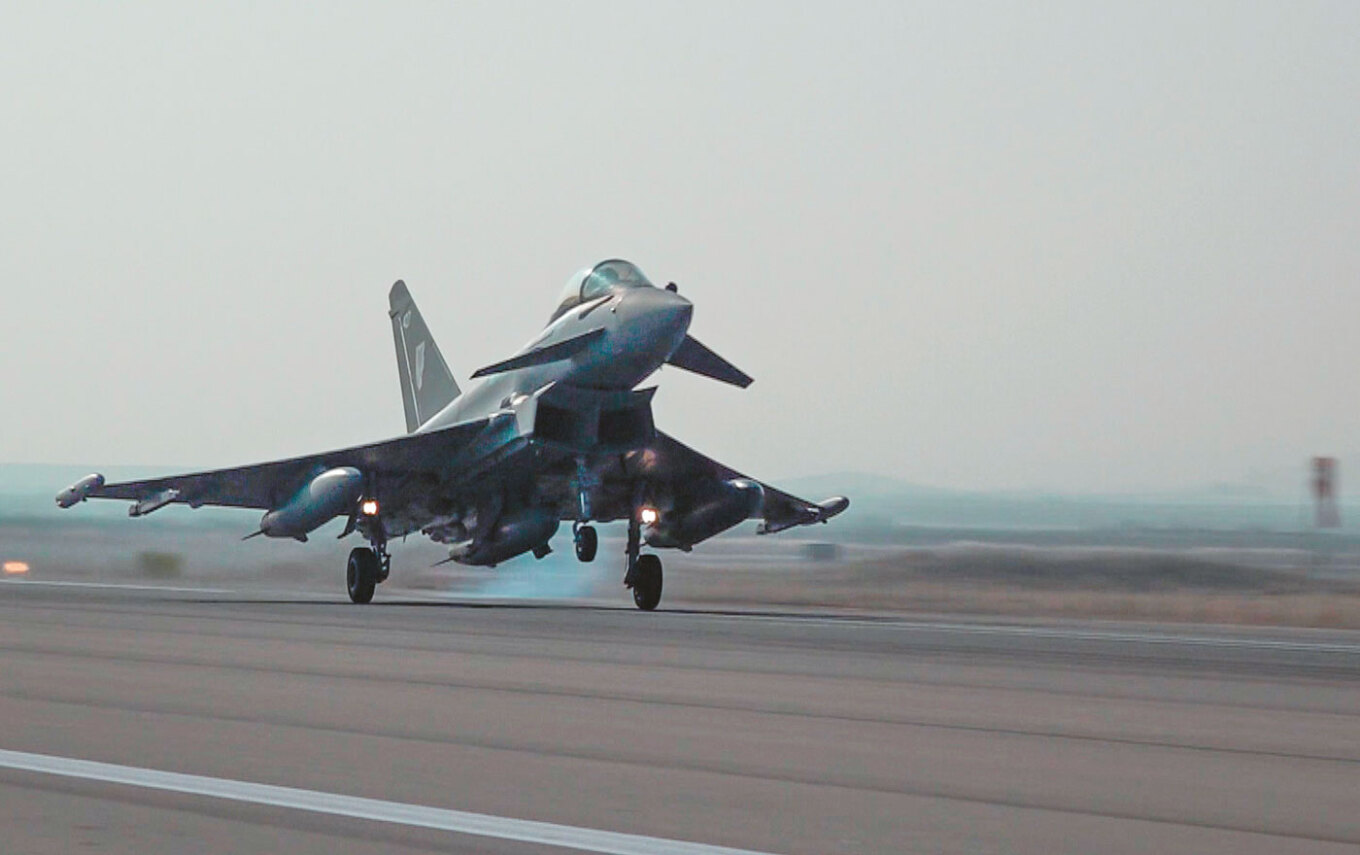
British companies such as defense giant BAE Systems are involved in the Eurofighter Typhoon jet program alongside Airbus and Italy’s Leonardo (which is also collaborating with Turkey’s Baykar). Leonardo also works with MBDA, the Franco-Italian missile systems manufacturer.
In this context, the Commission’s White Paper refers to the UK as an “essential ally,” and both Brussels and London are racing to ensure British firms can participate in EU rearmament efforts. EU foreign policy chief Kaja Kallas is scheduled to visit London to lay the groundwork for the upcoming EU–UK Summit in May, where a defense and security agreement is expected to be signed—opening the door for British defense firms to join the EU rearmament drive.
Made in Europe… Or Not?
Despite one of the Commission’s core proposals—strongly backed by France—to “buy European,” EU defense dependence on the U.S. remains staggering. Poland, the EU’s top arms importer, sources 87% of its systems from the U.S. and South Korea. In the Netherlands and Italy, the figures are even higher: 97% and 94% respectively. Greece is a notable exception, with France being its largest supplier.
Moreover, most EU countries, including Greece, rely on American-made Patriot missile defense systems. Though Portugal recently became the first country to cancel its F-35 purchase due to Donald Trump’s policies, the EU’s commitment to “buy European” will be tested soon—when Denmark, which faces American pressure over Greenland, must choose between the U.S.-made Patriot and the European-made (Franco-Italian) ASTER SAMP/T NG system for its air defense.
The outcome will signal whether the EU is serious about reducing its transatlantic dependence—or if American defense dominance will continue unchecked.
Ask me anything
Explore related questions