

×
GreekEnglish

×
  • Politics
  • Diaspora
  • World
  • Lifestyle
  • Travel
  • Culture
  • Sports
  • Cooking
Friday
30
Jan 2026
weather symbol
Athens 16°C
  • Home
  • Politics
  • Economy
  • World
  • Diaspora
  • Lifestyle
  • Travel
  • Culture
  • Sports
  • Mediterranean Cooking
  • Weather
Contact follow Protothema:
Powered by Cloudevo
> World

James Webb Telescope spots galaxies from the dawn of time that are so massive they ‘shouldn’t exist’

Scientists don't know exactly when the first clumps of stars began to merge into the beginnings of the galaxies we see today

Newsroom February 23 10:59

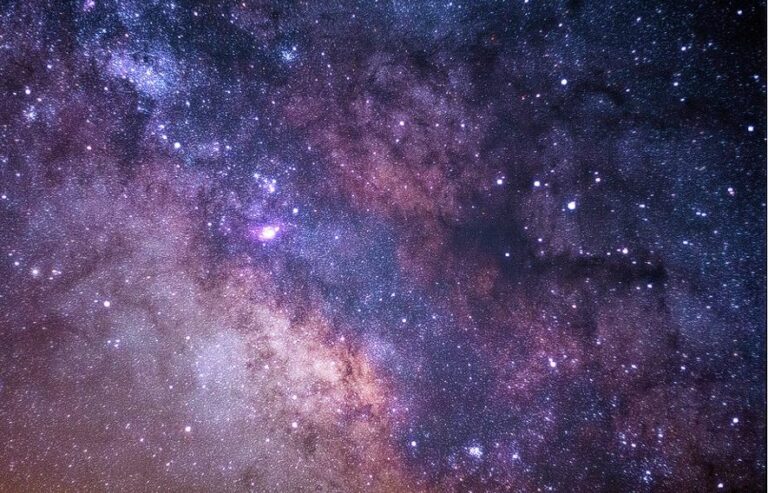
The James Webb Space Telescope spotted six gigantic galaxies, each roughly the size of our own Milky Way, that formed at a bafflingly fast pace — taking shape just 500 million years after the Big Bang.

The James Webb Space Telescope has discovered a group of galaxies from the dawn of the universe that are so massive they shouldn’t exist.

The six gargantuan galaxies, which contain almost as many stars as the Milky Way despite forming only 500 to 700 million years after the Big Bang, have been dubbed “universe breakers” by the team of astronomers that spotted them.

That’s because, if they’re real, the discovery calls our entire understanding of galaxy formation into question.

>Related articles

Sick astronaut on mission – NASA considers early return of International Space Station crew

NASA published a new map of the universe; the “SPHEREx” space telescope changes the data landscape

Voyager 1 ready to make history again: in 2026 it will reach a distance of “one light-day” from Earth

“It’s bananas,” co-author Erica Nelson(opens in new tab), an assistant professor of astrophysics at the University of Colorado Boulder and one of the researchers who made the discovery, said in a statement(opens in new tab). “You just don’t expect the early universe to be able to organize itself that quickly. These galaxies should not have had time to form.”

Scientists don’t know exactly when the first clumps of stars began to merge into the beginnings of the galaxies we see today, but cosmologists previously estimated that the process began slowly taking shape within the first few hundred million years after the Big Bang. Currently accepted theories suggest that 1 to 2 billion years into the universe’s life, these early protogalaxies reached adolescence — forming into dwarf galaxies that began devouring each other to grow into ones like our own.

more at livescience.com

Ask me anything

Explore related questions

#galaxies#scientists#space#time
> More World

Follow en.protothema.gr on Google News and be the first to know all the news

See all the latest News from Greece and the World, the moment they happen, at en.protothema.gr

> Latest Stories

Renewal and issuance of passports with old ID cards, according to the decision of the CoE

January 30, 2026

Jessie J: ‘Cancer was the harshest thing my breasts ever had to endure’

January 30, 2026

Erdogan wants a mediating role between Tehran and Washington, and pushes for trilateral talks between Türkiye, Iran, and the US

January 30, 2026

Trump nominates Kevin Wears for Fed chairman

January 30, 2026

Natural disasters: When early prevention offers protection

January 30, 2026

WD-40: The ultimate commercial success and the big secret

January 30, 2026

Prosecutorial investigation into responsibility for the Violanta tragedy: What is being examined

January 30, 2026

The unknown chapel of the Three Hierarchs in Pagrati, where Alexandros Papadiamantis chanted hymns

January 30, 2026
All News

> Economy

WD-40: The ultimate commercial success and the big secret

Why no one truly knows its formula—and why it remains one of the world’s greatest industrial mysteries

January 30, 2026

Salary increases from tax cuts credited to bank accounts today: Who benefits the most, see examples

January 30, 2026

ELSTAT: Unemployment fell to 7.5% in December

January 29, 2026

In February in Washington, the crucial ministerial meeting on the Vertical Energy Corridor: What Joshua Volz said in Athens

January 29, 2026

Aluminium Dunkerque: Six foreign “bidders” for Europe’s largest aluminum smelter – Metlen in the spotlight

January 29, 2026
Homepage
PERSONAL DATA PROTECTION POLICY COOKIES POLICY TERM OF USE
Powered by Cloudevo
Copyright © 2026 Πρώτο Θέμα