
×
GreekEnglish

×
  • Politics
  • Diaspora
  • World
  • Lifestyle
  • Travel
  • Culture
  • Sports
  • Cooking
Friday
16
Jan 2026
weather symbol
Athens 12°C
  • Home
  • Politics
  • Economy
  • World
  • Diaspora
  • Lifestyle
  • Travel
  • Culture
  • Sports
  • Mediterranean Cooking
  • Weather
Contact follow Protothema:
Powered by Cloudevo
> Culture

What did ancient Romans eat?

How many meals did they have a day?

Newsroom August 19 08:33

Romans ate three meals during the day, in which women also participated. In the morning between eight and nine, the Romans ate breakfast so écantaculum, in the middle of the day between eleven and noon they ate the prandium (second breakfast, dinner) and finally the most important meal was dinner, between the third and the fourth hour.

>Related articles

Greek raisin: The raw material that has nourished generations seeks its place in the world again

Hellenic Food Authority recalls frozen burger due to salmonella

A victory for the meat industry

The first two meals were light and quick. At that time bread, fruit, vegetables, cheese, and remnants from supper were eaten. Often these meals were eaten standing up. The most important meal of the day, dinner (cena) was first consumed in the atrium household, where the revelers were exposed to passers-by looks, later they were eaten inside in a special room called cenaculum, which in time became the triclinium, when the Romans and Italics from the upper social classes adopted the habit of eating supper lying on couches (klinai) from the Greeks. Since then, standing food has become a symbol of simplicity.

In the middle of triclinum there was a square or a round table (mensa), around him lay sofas, on which the revelers lay, resting on the left side in such a way as to have free right hand and to be able to eat. The table was marble or ivory. In the first century BCE, a tablecloth appears (mantele). There were dishes, wine and salt shakers on the table. Liquid dishes were eaten like a spoon (cochlear), while other foods were eaten by hand. Tableware, depending on the state of affairs, were made of clay or bronze for the poor, while for wealthy silver with decorated finishes. There were two types of plates: patina – plates and castinus – deep. Wine glasses, i.e. pocula, were made of crystal or gold, decorated with precious stones. The wine was drunk diluted with water.

source imperiumromanum

Ask me anything

Explore related questions
#ancient Rome#diet#food#Romans
> More Culture

Follow en.protothema.gr on Google News and be the first to know all the news

See all the latest News from Greece and the World, the moment they happen, at en.protothema.gr

> Latest Stories

One dead after train–bus collision at the Port of Hamburg – see photos

January 16, 2026

President of Air Traffic Controllers: Another communications blackout possible in the near future

January 16, 2026

Trump threatens tariffs against those who oppose U.S. plans for Greenland

January 16, 2026

X is down, thousands report problems

January 16, 2026

“Her father cut her hair because she asked to go to a hair salon, they never gave her money”: New testimonies about Laura

January 16, 2026

Rama persists after rant at Greek journalist and questions the link between “Greek speakers” and Plato and Aristotle

January 16, 2026

CIA chief in Venezuela meets with Rodriguez

January 16, 2026

Less alcohol and lower speeds with the new Highway Code and strict fines

January 16, 2026
All News

> Culture

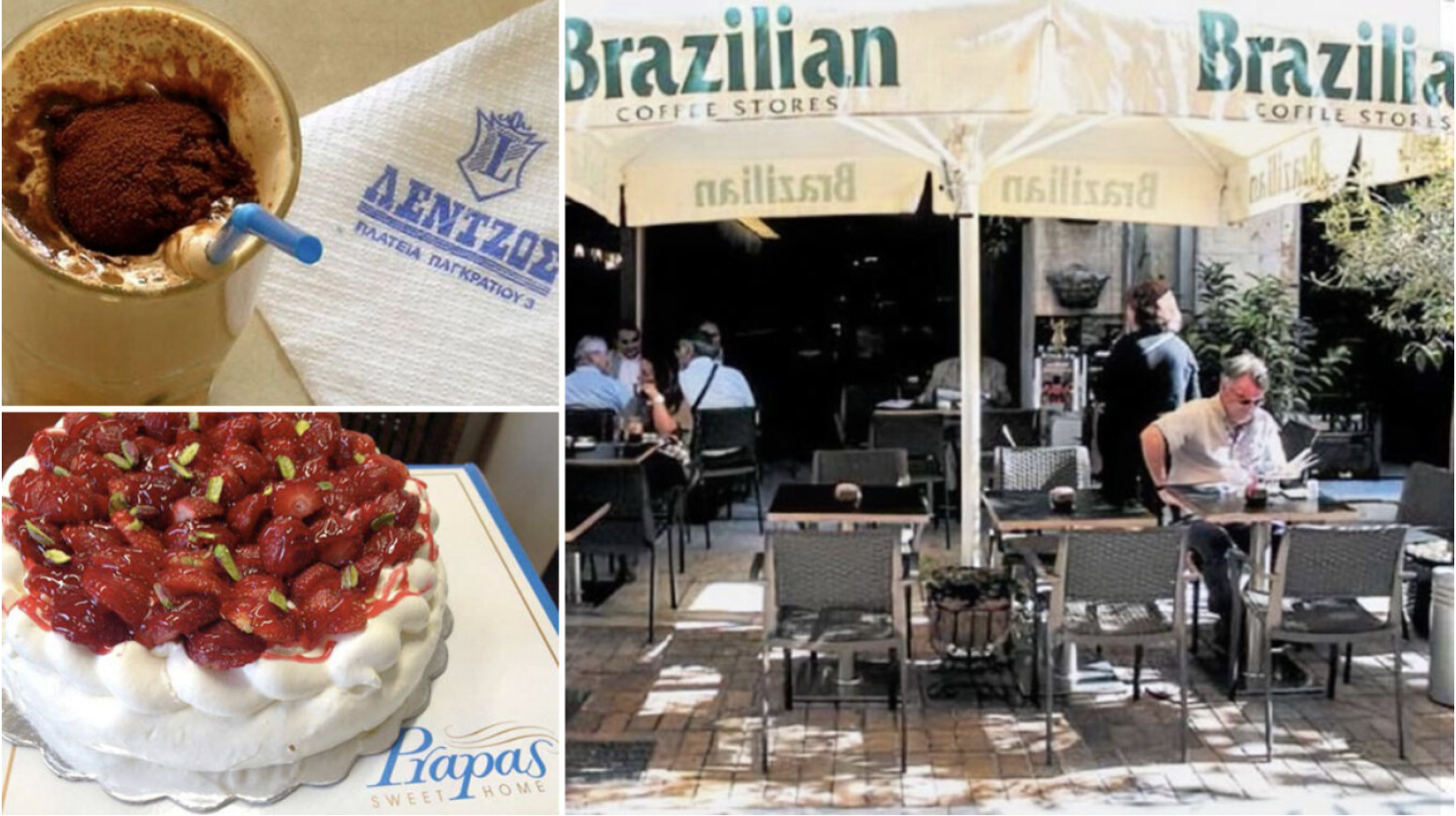
The historic cafes of Athens: 12 legendary hangouts lost to time

The café-patisseries that set the rhythm of cosmopolitan Athens – “Flokas,” “Papaspirou,” “Sonia,” “Alaska,” “Lentzos,” “Floral,” “Blue Bell,” “Prapas,” “Pachos,” “Galaxy,” “Caprice,” “Centaur” were the most popular meeting points where modern Greek history was written, became songs and books, and left their mark with their famous culinary creations

January 16, 2026

Actress Melpo Zarokosta dies at 93

January 16, 2026

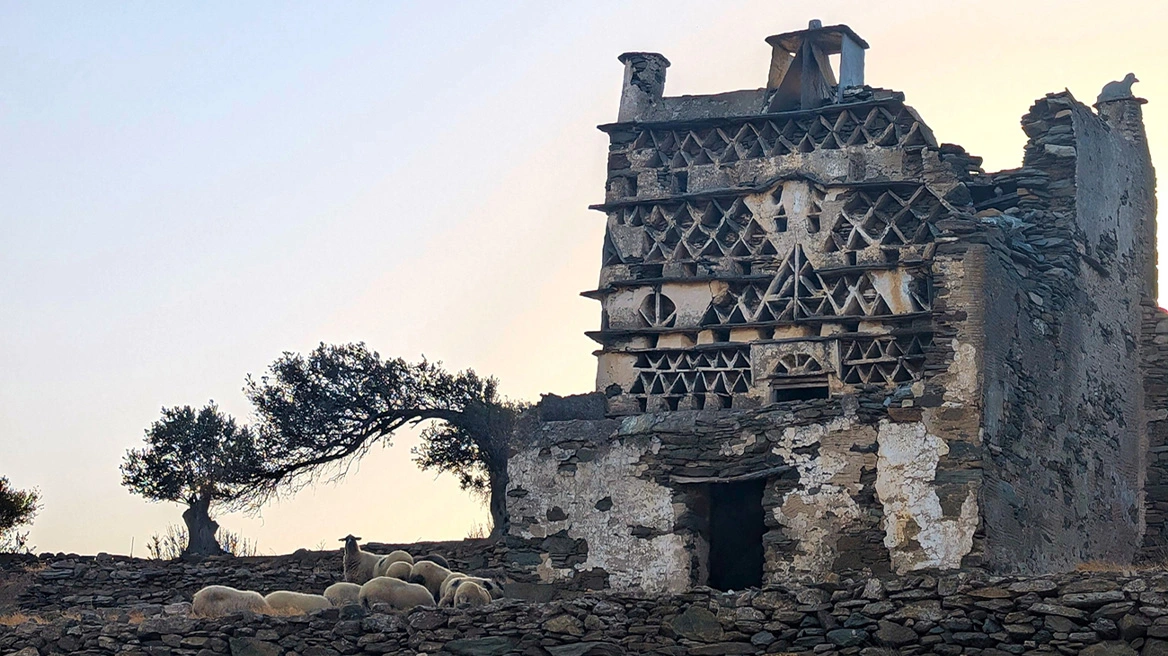
Cycladic Identity Initiative launches fourth funding phase to preserve the Cultural and Natural Heritage of the Cyclades

January 16, 2026

Grief in Crete for the loss of Yannis Xylouris

January 15, 2026

“A Picasso for 100 euros” — Christie’s for a million-euro painting

January 15, 2026
Homepage
PERSONAL DATA PROTECTION POLICY COOKIES POLICY TERM OF USE
Powered by Cloudevo
Copyright © 2026 Πρώτο Θέμα