
×
GreekEnglish

×
  • Politics
  • Diaspora
  • World
  • Lifestyle
  • Travel
  • Culture
  • Sports
  • Cooking
Saturday
24
Jan 2026
weather symbol
Athens 16°C
  • Home
  • Politics
  • Economy
  • World
  • Diaspora
  • Lifestyle
  • Travel
  • Culture
  • Sports
  • Mediterranean Cooking
  • Weather
Contact follow Protothema:
Powered by Cloudevo
> World

US Navy’s “Aquanauts” tested the boundaries of Deep Diving. It ended in tragedy

"Ironically, the ocean is far more accessible than the stratosphere, and yet, it's remained more of a mystery than space"

Newsroom February 13 09:04

In the 1960s, NASA’s first astronauts tested the limits of human endurance far above the planet. Meanwhile, teams of intrepid divers explored similar boundaries in an equally inhospitable environment here on Earth: the dark, numbingly cold and high-pressure depths of the ocean.

Dubbed “Sealab,” the grueling program was launched by the U.S. Navy during the Cold War. Participants called “aquanauts” trained to survive underwater in a pressurized environment for days at a time, at depths that created enormous physical challenges. Over three stages, the Sealab environments descended to greater and greater depths. But with the death of a diver in 1969, officials decided that the risks were too great, and they terminated the program.

The long-forgotten story of the aquanauts surfaces in a new documentary called “Sealab,” airing Feb. 12 on PBS at 9 p.m. ET (check local times).

From the 1950s into the 1960s, the U.S. and the Soviet Union were engaged in a heated race into space. But they were also eyeing each other’s progress in the development of deep-sea technology for submarine warfare. To that end, the U.S. Navy established a program to test just how deep into the ocean humans could go, Stephen Ives, director and producer of “Sealab,” told Live Science.

>Related articles

Meloni: ‘Europe has more to lose than gain by clashing with Trump’

Emergency summit in Brussels: EU on alert after Trump’s moves, support for Denmark, Greenland, and Ukraine

Bloomberg reveals Trump’s plan for Greenland: The US seeks a “Blank Check” for military presence

“Ironically, the ocean is far more accessible than the stratosphere, and yet, it’s remained more of a mystery than space,” Ives said.

The deep ocean exerts crushing pressure on the human body, compressing oxygen in the lungs and tissues. The deeper a diver descends, the more time is required for the body to return safely to normal surface pressure. Rising from the depths too quickly releases nitrogen bubbles in body tissues, causing the bends — excruciatingly painful cramps and paralysis, which can be lethal.

Read more HERE

Ask me anything

Explore related questions
#deep dive#divers#research#test#US NAVY#usa
> More World

Follow en.protothema.gr on Google News and be the first to know all the news

See all the latest News from Greece and the World, the moment they happen, at en.protothema.gr

> Latest Stories

New videos show the moment a female employee was struck outside the Vrilissia Hellenic Post (ELTA) office after a dispute over a parcel

January 24, 2026

“Blackout” in the Athens FIR: What really happened on January 4

January 24, 2026

Minimum wage for 2026 enters consultation, target set at €950 by 2027

January 24, 2026

War in Ukraine: Diplomacy in Abu Dhabi, Bombardments in Kyiv and Kharkiv

January 24, 2026

Sydney McLaughlin, world’s best athlete, announces pregnancy: “I created a human with the love of my life”

January 24, 2026

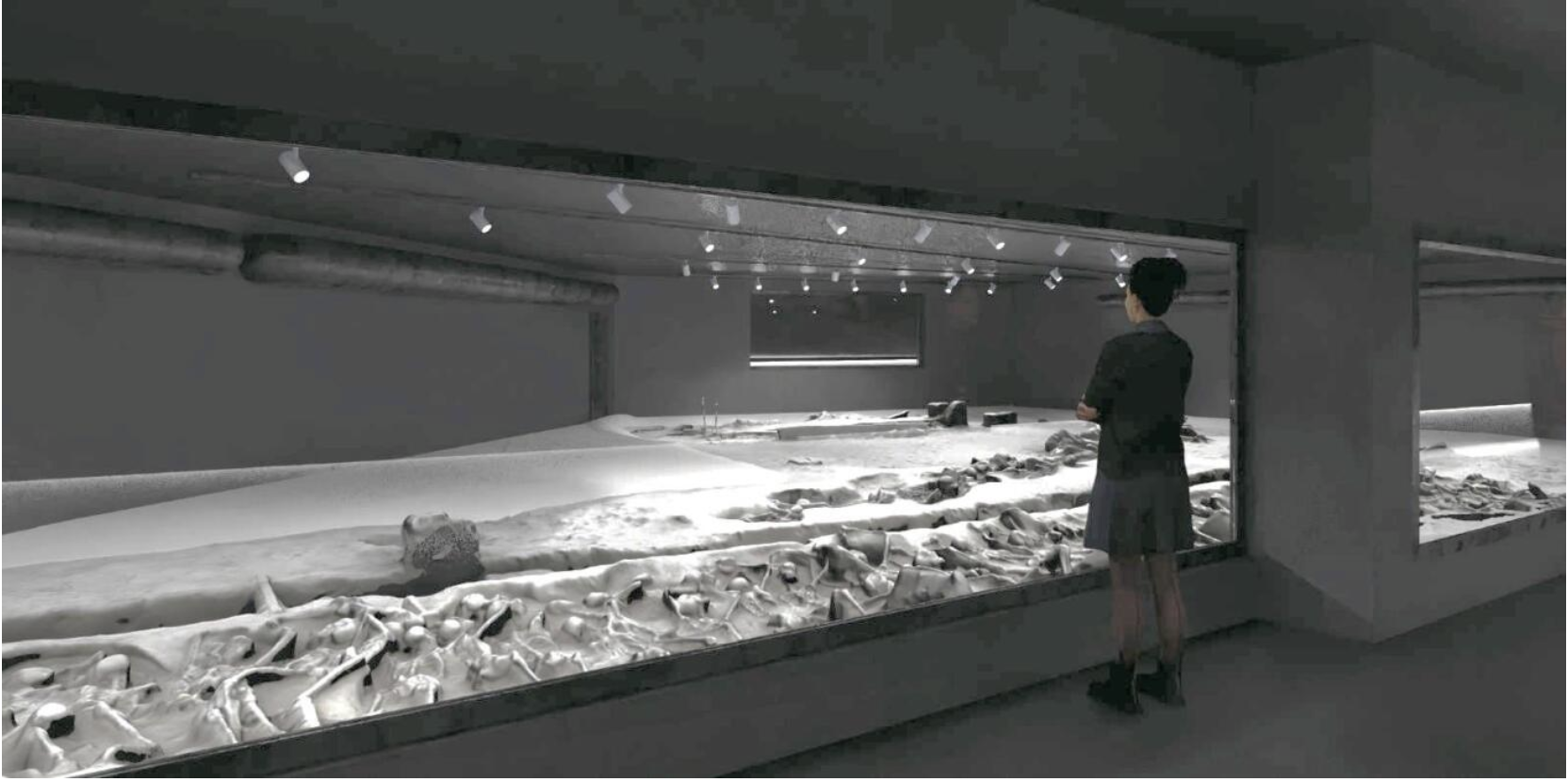
The Shackled Men of Phaleron: This is what the space that will host the major archaeological find will look like – Photos

January 24, 2026

Weather: Storms and muddy rain arriving from Sunday – when Attica will be affected

January 24, 2026

Castello’s “odyssey” in the Mediterranean: A sea turtle from Greece found in Spain

January 24, 2026
All News

> Culture

The Shackled Men of Phaleron: This is what the space that will host the major archaeological find will look like – Photos

The 79 human skeletons from the 7th century BC will be visible to the public through a specially designed museum shell – The dangerous mission of their transfer

January 24, 2026

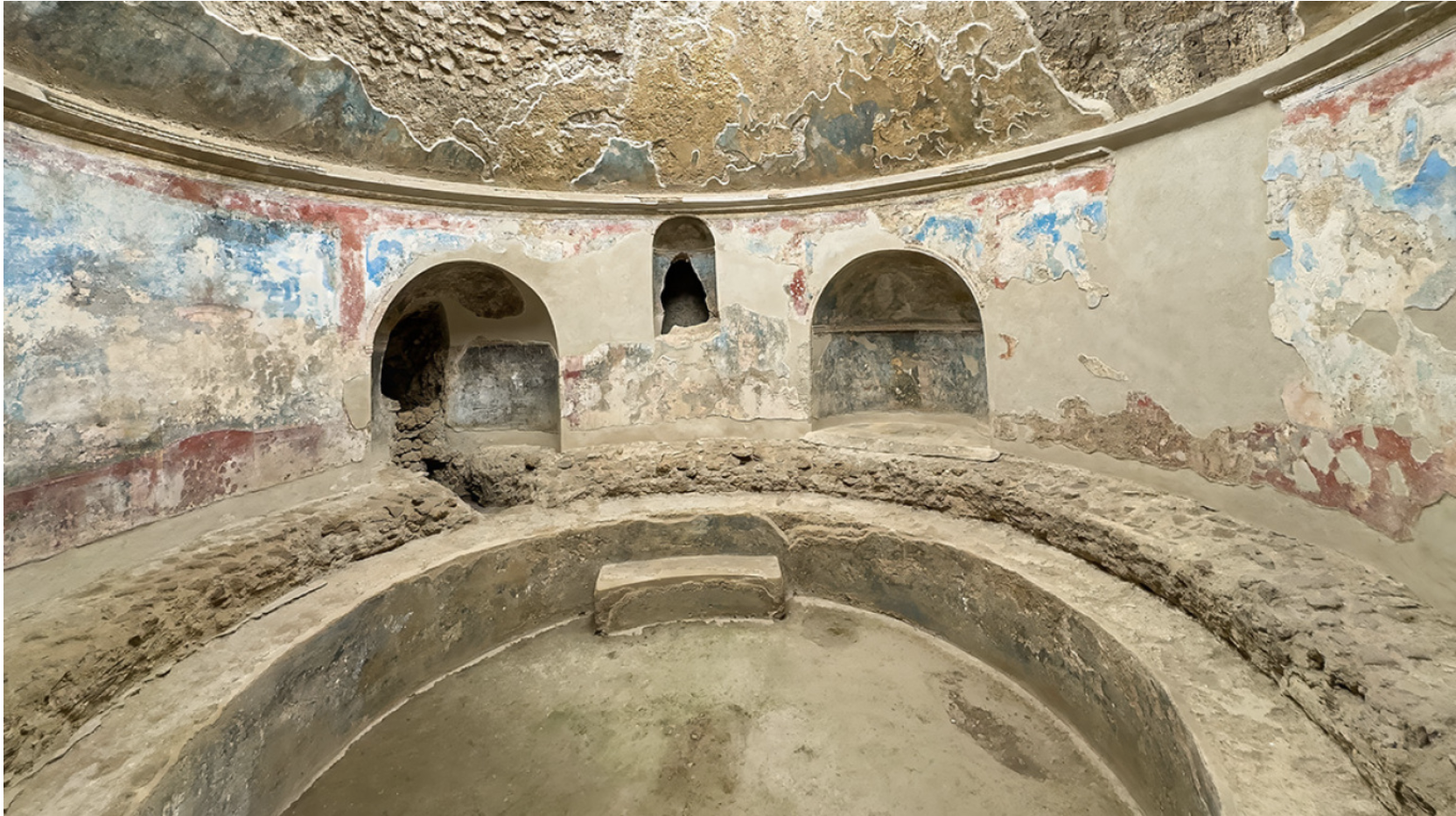
The dirty side of Pompeii: baths filled with sweat and urine, according to a new study

January 23, 2026

Oscars 2026: Four nominations for Yorgos Lanthimos’ Bugonia

January 22, 2026

The old Acropolis Museum reopens, revealing the hidden life of the sacred rock

January 22, 2026

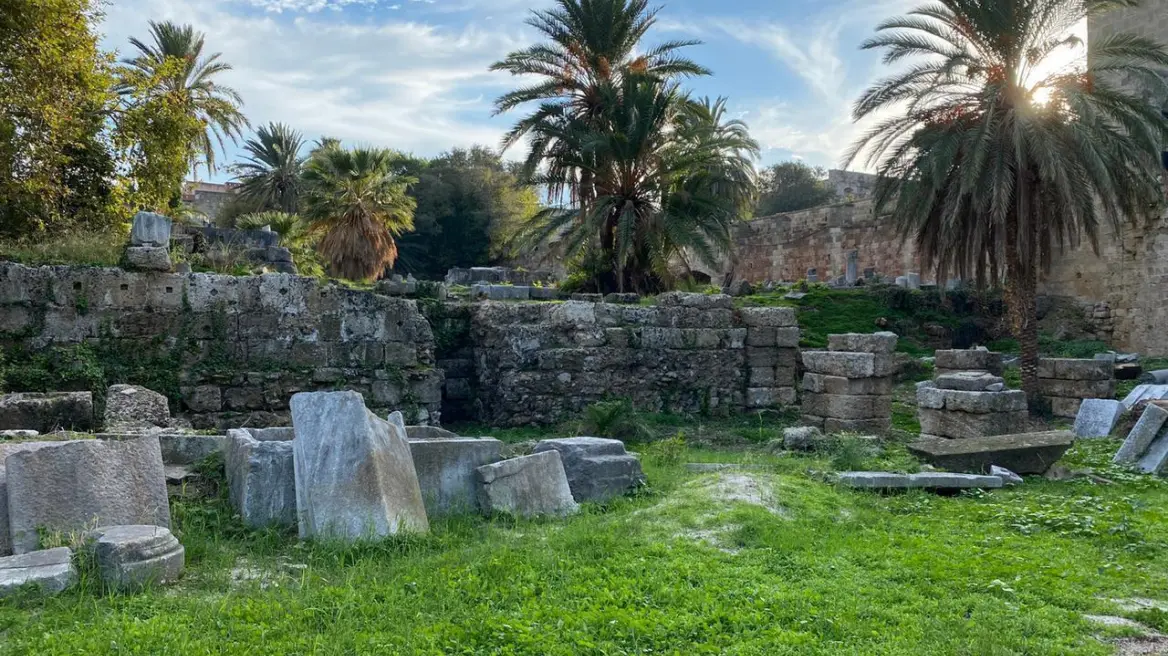
Rhodes: The Ministry of Culture is implementing enhancement works at the archaeological site of “Pervola”

January 22, 2026
Homepage
PERSONAL DATA PROTECTION POLICY COOKIES POLICY TERM OF USE
Powered by Cloudevo
Copyright © 2026 Πρώτο Θέμα