





They were the first human immigrants to come to Australasia after our species left Africa around 60,000 years ago. It appears that the offspring of current Aborigines and indigenous people from Papua New Guinea and portions of India had more illicit chance meetings with other species of premature humans than was actually realized. Examinations of DNA from modern indigenous inhabitants in Australasia has proven that they came across a mysterious new human ancestor as they traveled.
The new human ancestor has been uncovered in a DNA analysis of human migration from Africa to Australasia. Investigators from Universitat Pampeu Fabra made the finding by sequencing the genomes of populations including the Andamanese. It appears this unidentified hominin species reproduced with Homo sapiens as they ranged from Africa and through Asia. The revision also raises questions about earlier discoveries that modern humans inhabited Asia in two waves from their starting point in Africa, instead of a single migration out of Africa.
Homo sapiens are believed to have first surfaced in Africa around 150,000 years ago. About 100,000 years later, minor numbers of them left their homeland, wandering first to Asia and then eventually east, passing over the Bering Strait and inhabiting the Americas. It had been believed that the ancestors of current humans arrived from Asia in two waves from their lineage in Africa about 60,000 years ago. Earlier investigation looking at the genomes of individuals existing today shows the Asia-Pacific arrivals mated with two hominin species they discovered, the Neanderthals and the Denisovans.
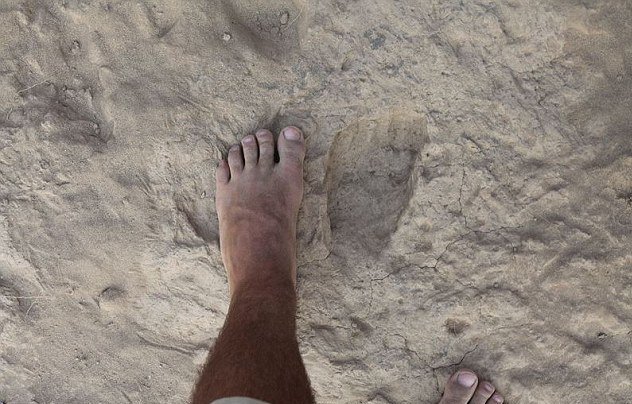
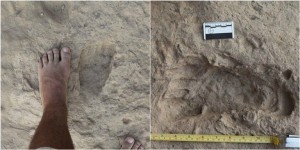
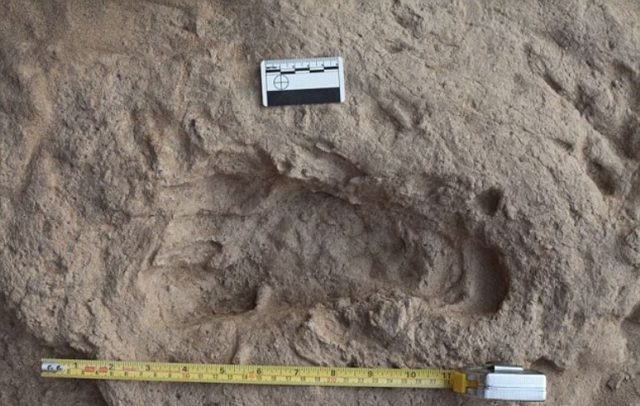
(The footprints are indistinguishable from those of a modern barefoot human, with similar foot anatomies and mechanics)
Now, a third has been discovered, and this proposes the “Out of Africa” migration was a solitary event. This discovery designates a mutual lineage for all inhabitants in the Asia-Pacific district, dating back to a solitary migration out of Africa. Our species, Homo sapiens, first developed in Africa about 150,000 years ago but is thought to have originally moved out of the continent around 60,000 years ago. Scientists have been charting the appearance of hereditary markers in recent peoples to better understand how ancient beings everywhere moved around the planet. The descendants of Europeans are believed to have come west after departing Africa, breeding up to several times with the Neanderthals they came across along the way.
Modern beings of European ancestry characteristically owe between one and six percent of their DNA to these ancient encounters. As an outcome of this interbreeding, Homo sapiens are believed to have inherited numerous genetic traits that have assisted in boosting their immune organisms and gifted them with healthier skin and hair. Other investigations have found that the descendants of ethnic populations in Asia and the Pacific seem to have reproduced with not only the Neanderthals but another prehistoric species called the Denisovans. In this day and age, the new study has exposed that they might have likely bred with a third type. Instructor Jaume Bertranpetit at Pompeu Fabra University in Spain made the finding after observing at the genomes of aboriginal Australians, Papuans – people who live at the Andaman Islands and are from mainland India. They discovered fragments of their DNA did not tie in with any hominin species on record.
Ask me anything
Explore related questions