




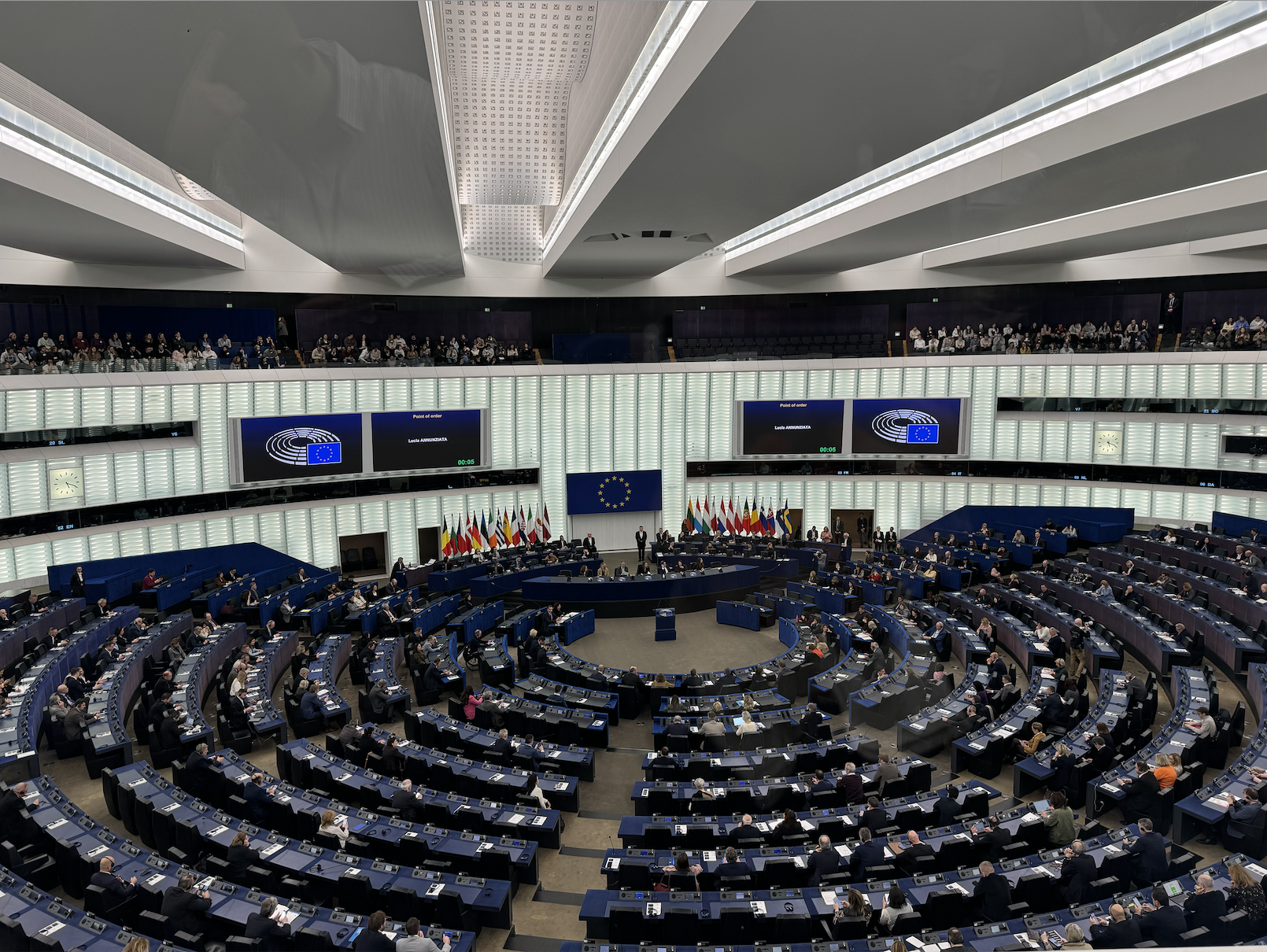
Europe’s wine sector, one of the continent’s most emblematic industries, is entering a new chapter. On Tuesday, the European Parliament overwhelmingly approved new legislation aimed at protecting wine producers from mounting pressures — from climate change and plant diseases to shifting consumer trends and global competition.
With 625 votes in favour, 15 against and 11 abstentions, MEPs endorsed the provisional agreement reached with EU member states in December 2025, introducing a comprehensive framework to modernise and stabilise the sector.
Clearer rules for alcohol-free and reduced-alcohol wines
One of the most significant changes concerns labelling. As consumer demand for low- and no-alcohol options grows, the Parliament moved to clarify how such products should be marketed.
Under the new rules:
- Wines containing no more than 0.05% alcohol by volume may be labelled “alcohol-free 0.0%”.
- Wines with more than 0.5% alcohol but at least 30% less alcohol than the standard for their category may be labelled “alcohol reduced.”
The aim is to increase transparency for consumers while giving producers legal certainty as they diversify their offerings in a rapidly evolving market.
More financial flexibility in times of crisis
European winegrowers have faced repeated shocks in recent years — from extreme weather events and droughts to plant disease outbreaks and market instability.
The new legislation strengthens crisis-management tools. EU funds will be made more accessible for emergency measures, including support following natural disasters and the possibility of financing “grubbing up” (removing vineyards to rebalance production).
Member states will also have greater flexibility in using funds for wine distillation and green harvesting, with national ceilings set at 25% of available allocations. The objective is clear: allow faster intervention when markets are destabilised and help producers adapt production to demand.
Boost for wine tourism and exports
Beyond crisis management, the reform also looks outward. Wine tourism — a growing economic driver in rural Europe — will receive additional support. Promotional activities in third countries, from advertising campaigns and exhibitions to market studies, will be eligible for up to 60% EU co-financing.
Member states may add up to 30% for small and medium-sized enterprises and 20% for larger companies. Eligible programmes can run for three years and be renewed twice, covering a total of nine years — a significant long-term investment in European competitiveness.
These measures are expected to strengthen rural economies, create jobs and enhance the global profile of European wines.
“A timely response to a sector in crisis”
Rapporteur Esther Herranz García (EPP, Spain) described the legislation as a necessary intervention at a critical moment.
“This law represents a timely and effective response to the crisis the wine sector is facing,” she said, highlighting stronger crisis tools, improved promotion mechanisms and increased co-financing to help farmers adapt more quickly to climate change.
With this vote, the European Parliament places the wine sector firmly back in the spotlight — not only as a cultural symbol of Europe, but as a strategic economic pillar requiring modern tools to survive and thrive in a changing world.
For wine-producing countries such as France, Italy, Spain and Greece, the message from Strasbourg is clear: Brussels is ready to protect tradition — but also to push innovation.
Ask me anything
Explore related questions