





In a market where analysts still see no “ceiling” in property prices and rents continue to rise at double-digit rates, the government is opening the housing crisis file with an initial, supplementary package of interventions.
The set of measures presented by the Ministries of National Economy and Social Cohesion seeks to respond simultaneously to two pressing fronts: the difficulty faced by workers and public-sector employees in finding housing in high-cost areas, and the shortage of housing supply, currently estimated at around 180,000 properties.
A central provision of the bill is the refund of two months’ rent instead of one, with no income criteria, for public-school teachers, doctors and nurses who rent a residence at their place of service outside the Attica Region—excluding the Regional Unit of Islands—and outside the Thessaloniki Regional Unit. According to estimates, this intervention affects approximately 50,000 beneficiaries and aims to address a real gap, as in many areas housing costs have become a deterrent even for the provision of basic public services.
At the same time, the bill further tightens the framework for short-term rentals. In addition to the restrictions already in force in the 1st, 2nd and 3rd Municipal Districts of the Municipality of Athens, the A’ Municipal Community of the Municipality of Thessaloniki is now also included. Furthermore, it is stipulated that in areas where a ban applies, if a property is transferred for any reason, it is removed from the Short-Term Accommodation Property Registry and cannot be re-registered for as long as the restriction remains in place, closing the “loopholes” for reinstatement through sales transactions.
On the supply side, the emphasis is placed on subsidies for the renovation of rental homes. The new “Renovate–Rent” programme, with a budget estimated at €400–500 million, changes philosophy by placing greater emphasis on repair costs and less on purely energy upgrades. Subsidies can reach up to €36,000, with an additional €5,000 per child, aiming to bring back to the market closed or downgraded properties that currently remain outside the rental pool.
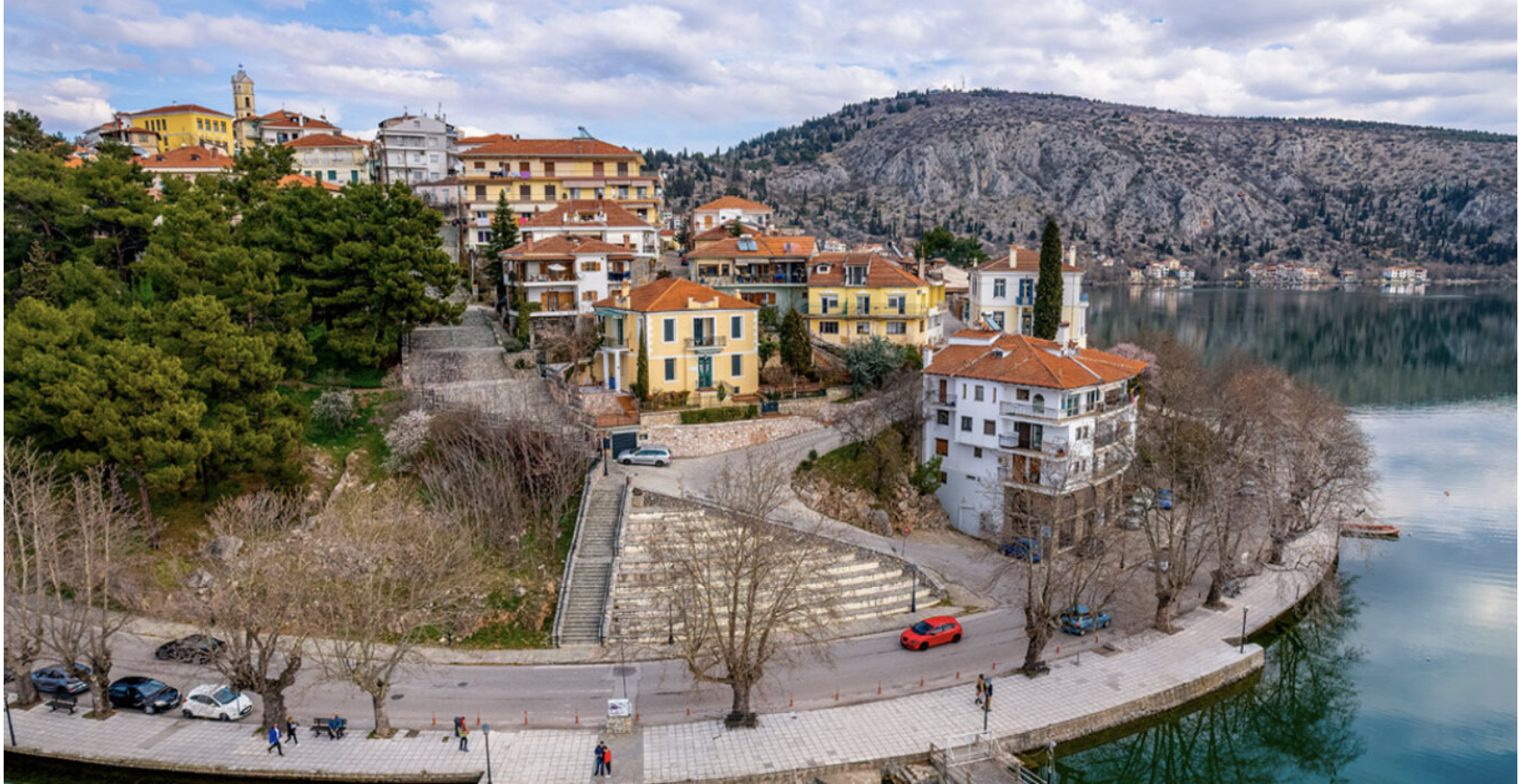
A separate chapter of the bill concerns incentives for relocation to areas facing severe population decline. The “Relocation” programme, initially implemented on a pilot basis in the Regional Unit of Evros and the municipalities of Soufli, Didymoteicho and Orestiada, is now being expanded to municipalities and municipal units in the Regional Units of Drama, Florina, Kilkis, Serres, Pella and Kastoria, while prefectural capitals experiencing population decline are also included. Financial support is equalised at €10,000 for all, regardless of settlement size, and the programme is opened to remote workers, pensioners, university graduates who remain in the municipalities for work, as well as Greeks living abroad. Provision is also made for the advance payment of part of the first instalment prior to relocation, in order to facilitate the initial cost of moving.
All of these interventions are reflected in the bill presented at the recent Cabinet meeting by the Ministries of National Economy and Social Cohesion, with the aim of activating the measures in the near future.
Ask me anything
Explore related questions