





Turbulence, but not problems, for Greek products and agricultural production are expected after the ratification of the Mercosur agreement, according to assessments by stakeholders with excellent knowledge of its parameters. For Greece, one of the key issues was the protection of citrus fruits, which are in fact protected, as any imports will be included in the mechanism of the so-called entry price; that is, they will be subject to increased tariffs in order to protect prices and the competitiveness of domestic and European products.
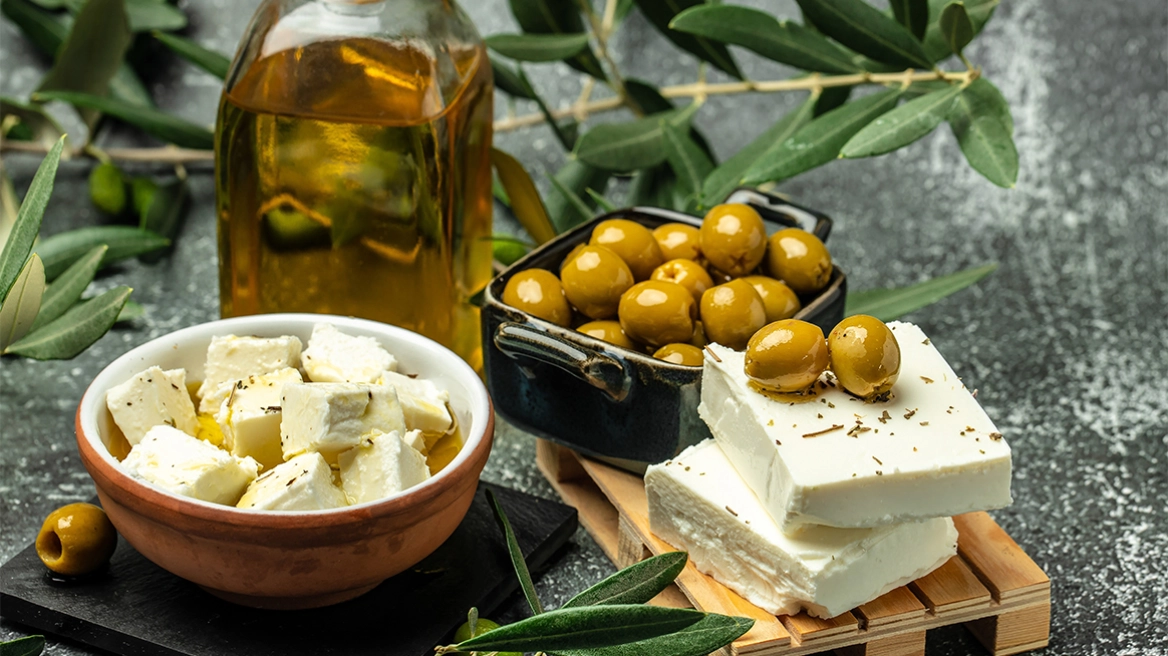
What is mainly emphasized is that key Greek products such as feta and olive oil are protected, and that new export routes are being created toward the Latin American countries signing the reduced-tariff trade agreement with the EU (Argentina, Brazil, Uruguay, Paraguay). New opportunities are also opening up for Greek wines. At the same time, the clauses included in the agreement fully protect the 21 Greek PDO products (Protected Designation of Origin), which are:
- Kalamata Olives
- Kalamata Olive Oil
- Kefalograviera
- Kolymvari Chania Crete Olive Oil
- Amfissa Conservolia Olives
- Corinthian Currant “Vostitsa”
- Kozani Saffron
- Lygourio Asclepieion Olive Oil
- Manouri
- Chios Mastic
- Sitia Lasithi Crete Olive Oil
- Feta
- Amyndeon Wine
- Mantinia Wine
- Naoussa Wine
- Nemea Wine
- Retsina of Attica
- Samos Wine
- Santorini Wine
- Tsipouro
It is noted that negotiations for the signing of the agreement lasted 25 years, while strong reactions persist from French farmers and livestock breeders, mainly due to the fact that the agreement provides for the import of beef into the EU under a quota system, a development that affects a key productive sector of France’s primary sector.
Ask me anything
Explore related questions