
×
GreekEnglish

×
  • Politics
  • Diaspora
  • World
  • Lifestyle
  • Travel
  • Culture
  • Sports
  • Cooking
Friday
13
Feb 2026
weather symbol
Athens 14°C
  • Home
  • Politics
  • Economy
  • World
  • Diaspora
  • Lifestyle
  • Travel
  • Culture
  • Sports
  • Mediterranean Cooking
  • Weather
Contact follow Protothema:
Powered by Cloudevo
> Mediterranean cooking

The Greek Christmas dessert that was named the best in the world

Greek melomakarona named world’s best cookies by international taste platform

Newsroom December 22 02:13

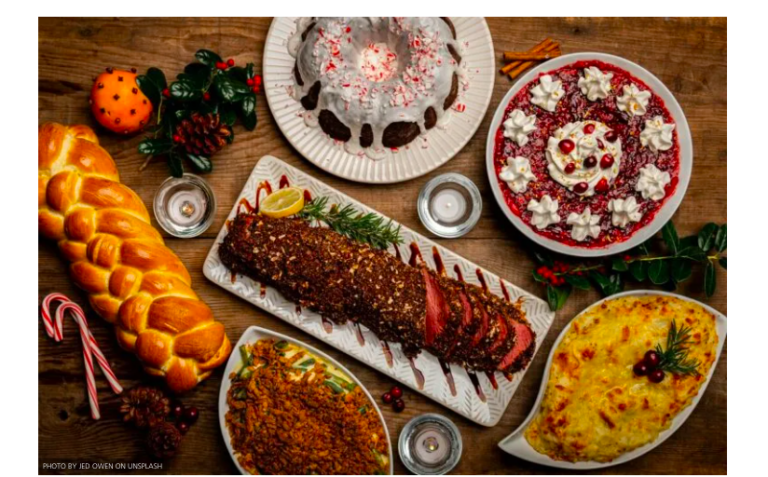
It has often gone head-to-head with its rival, the kourabiedes (Greek almond cookie), even appearing in a children’s book, and has come out the winner. It also wins the preferences of those who try to watch their diet, as while they cannot resist a festive sweet, they at least choose the one with fewer calories. Now, melomakarona (Greek honey cookies) have reached the top of the world, according to a new list by the international tasting platform Taste Atlas—though perhaps not in the category we might expect: they are titled “the best cookies in the world,” taking the number one spot on a list of one hundred sweets from around the globe.

Specifically, it is noted that although they were introduced by the ancient Phoenicians, today they are considered a traditional Greek Christmas sweet. Made from semolina, they are traditionally flavored with honey, orange zest, cinnamon, and other ingredients such as olive oil and cognac. “Immediately after baking, they are soaked in honey syrup and sprinkled with ground walnuts. Although some argue that ‘phoínikia’ refers to a slightly different sweet that may be fried and served without nuts, the two names are often used interchangeably.”

The following are the sweets that ranked next in the Taste Atlas list:

Makroud el louse, Algeria: “Flourless cookies made from almonds, eggs, sugar, and orange blossom water. They are baked until lightly browned and then dusted with powdered sugar until completely covered.”

Alfajores, Argentina: Filled cookies with dulce de leche in the middle, coated with a layer of chocolate or dusted with powdered sugar. Their name, derived from the Arabic word al-hasú, means “filled.” They are now especially popular throughout Latin America, having arrived with the Spanish conquistadors.

Stroopwafel, Netherlands: “These tasty cookies consist of a very thin layer of syrup, sugar, butter, and cinnamon between two thin waffles. Invented in the late 18th century in the city of Gouda, they traditionally accompany coffee or tea—it is customary to place one on the rim of the cup and let it warm and soften the syrup inside over the steam.”

>Related articles

Kriekoúkis: The tavern in Mandra with more than half a century of history

The secrets of Tsiknopempti BBQ for perfect grilling of every meat

A tour of Athens’ pastry shops for Valentine’s Day

Petticoat Tails, Scotland: Named “petticoat tails” because their shape resembles a piece of fabric used to decorate the dress of the 16th-century queen Mary of Scotland, as well as the buttery shortbreads themselves. Another less romantic explanation is that they derive from the small French biscuits called petits cotés. In any case, they remain very popular today and, unlike other shortbreads, are often dusted with powdered sugar before accompanying afternoon tea.

Ask me anything

Explore related questions
#Christmas dessert#Greek Christmas#Greek melomakarona
> More Mediterranean cooking

Follow en.protothema.gr on Google News and be the first to know all the news

See all the latest News from Greece and the World, the moment they happen, at en.protothema.gr

> Latest Stories

From Faliro to Voula: Who is building the Athenian Riviera

February 13, 2026

Hatzidakis: The twelve-month tourist season in our country is feasible

February 13, 2026

Care packages in the crossfire – How Ukraine’s drone deliveries bring hope to the front

February 13, 2026

Mitsotakis on the donation from the Pavlos and Alexandra Kanellopoulos Foundation: Major multi-million intervention at KAT with 16,000 surgeries per year

February 13, 2026

Bloomberg: US back-and-forth forces Europe to consider developing a unified nuclear deterrent

February 13, 2026

New questions about Epstein’s death: Coroner speaks of “possible strangulation” and calls for a review

February 13, 2026

Clash between Stournaras and Tsipras: “I’m being accused by the man who believed the Bank of Greece should remain silent” – “A third term is sweet”

February 13, 2026

Kyriakos Mitsotakis met with Archbishop Makarios of Australia

February 13, 2026
All News

> Economy

From Faliro to Voula: Who is building the Athenian Riviera

Dozens of residential complexes of high standards and... prices are being built, with most of them sold by the concrete

February 13, 2026

The trick with one-time tax IDs: How a network of straw men made millions through fake shell companies

February 13, 2026

What is the EU’s Industrial Acceleration Act: Brussels’ new trade doctrine that worries China – What changes

February 13, 2026

Spanish expansion in Ilia: El Pinar acquires Kyriazis and maps out growth plans (pics)

February 12, 2026

Alpha Bank report: Greece’s housing paradox—High home ownership amid a deepening crisis

February 11, 2026
Homepage
PERSONAL DATA PROTECTION POLICY COOKIES POLICY TERM OF USE
Powered by Cloudevo
Copyright © 2026 Πρώτο Θέμα