
×
GreekEnglish

×
  • Politics
  • Diaspora
  • World
  • Lifestyle
  • Travel
  • Culture
  • Sports
  • Cooking
Saturday
17
Jan 2026
weather symbol
Athens 11°C
  • Home
  • Politics
  • Economy
  • World
  • Diaspora
  • Lifestyle
  • Travel
  • Culture
  • Sports
  • Mediterranean Cooking
  • Weather
Contact follow Protothema:
Powered by Cloudevo
> World

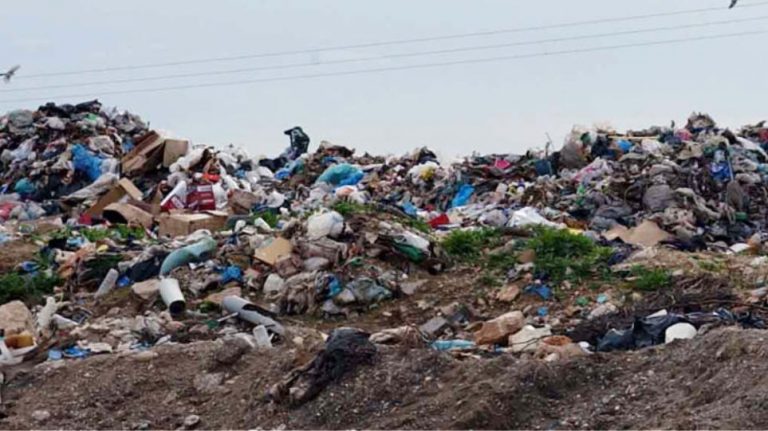
The Hellish E-waste graveyards where computers are mined for metal

Photographer Kai Löffelbein spent years documenting the multibillion-dollar e-waste industry and what he saw was disturbing

Newsroom February 24 11:13

Each year the planet generates some 50 million tons of electronic waste, ranging from batteries to mobile phones to light-up children’s toys. And although such devices may have been discarded, they’re not without value— the United Nations recently estimated the total worth of all that e-waste at $55 billion, thanks largely to the trace amounts of gold, silver, and other metals they contain. The problem, though, is getting them out.

German photographer Kai Löffelbein spent seven years documenting how those metals are extracted, often under dangerous conditions, by some of the world’s poorest people. His forthcoming book, CTRL-X: A Topography of E-Waste, contains photographs he took in Ghana, China, and India, where much of the world’s e-waste ends up. (This despite the 1989 Basel Convention, an international treaty intended to reduce the transfer of e-waste from developed countries to developing ones).

See Also:

1000 years of English literature to be scrapped as British university “decolonises” curriculum

Greece becomes “most important hub for alternative gas” in Southeast Europe

>Related articles

Trump threatens tariffs against those who oppose U.S. plans for Greenland

CIA chief in Venezuela meets with Rodriguez

Ballistic missile strike hits pier in Ukraine

“As a photographer, you’re surrounded by so much stuff,” Löffelbein says. “I own several computers, a laptop, many cameras. I started to ask myself where all that stuff would end up”.

To answer that question, Löffelbein first traveled to Accra, the capital of Ghana and home to Agbogbloshie, the world’s largest e-dump, where about 700 people—including children as young as 12—make a living by scavenging for electronics. “It was described to me as the gates of hell,” the photographer recalls. “And that’s what it was.” He found some of the youngest children tossing copper cables into fires to burn off their rubber coating, sending plumes of noxious black smoke into the already polluted air.

Read more: Wired

Ask me anything

Explore related questions
#e-waste#environment#Kai Löffelbein#metals#nature#photographer#photos#recycling#waste#world
> More World

Follow en.protothema.gr on Google News and be the first to know all the news

See all the latest News from Greece and the World, the moment they happen, at en.protothema.gr

> Latest Stories

One dead after train–bus collision at the Port of Hamburg – see photos

January 16, 2026

President of Air Traffic Controllers: Another communications blackout possible in the near future

January 16, 2026

Trump threatens tariffs against those who oppose U.S. plans for Greenland

January 16, 2026

X is down, thousands report problems

January 16, 2026

“Her father cut her hair because she asked to go to a hair salon, they never gave her money”: New testimonies about Laura

January 16, 2026

Rama persists after rant at Greek journalist and questions the link between “Greek speakers” and Plato and Aristotle

January 16, 2026

CIA chief in Venezuela meets with Rodriguez

January 16, 2026

Less alcohol and lower speeds with the new Highway Code and strict fines

January 16, 2026
All News

> Greece

President of Air Traffic Controllers: Another communications blackout possible in the near future

The system is outdated and the problem may recur, warns the president of the air traffic controllers, Panagiotis Psarros

January 16, 2026

“Her father cut her hair because she asked to go to a hair salon, they never gave her money”: New testimonies about Laura

January 16, 2026

Less alcohol and lower speeds with the new Highway Code and strict fines

January 16, 2026

Why seasonal flu is so “aggressive” this year: An infectious disease specialist from “Sotiria” explains the two main causes

January 16, 2026

Study in Greece: International students apply for a place in Greek universities through a single platform

January 16, 2026
Homepage
PERSONAL DATA PROTECTION POLICY COOKIES POLICY TERM OF USE
Powered by Cloudevo
Copyright © 2026 Πρώτο Θέμα