
×
GreekEnglish

×
  • Politics
  • Diaspora
  • World
  • Lifestyle
  • Travel
  • Culture
  • Sports
  • Cooking
Monday
19
Jan 2026
weather symbol
Athens 5°C
  • Home
  • Politics
  • Economy
  • World
  • Diaspora
  • Lifestyle
  • Travel
  • Culture
  • Sports
  • Mediterranean Cooking
  • Weather
Contact follow Protothema:
Powered by Cloudevo
> World

This is what ancient European faces looked like (photos)

They are on display at a museum in Brighton

Newsroom February 4 11:33

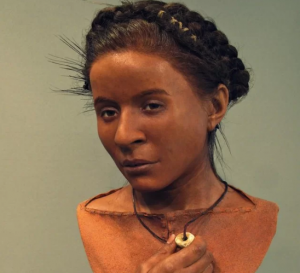
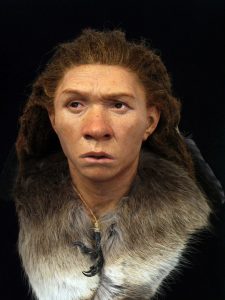
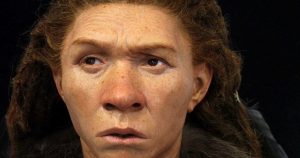
About 5,600 years ago, a 20-year-old woman was buried with a tiny baby resting on her chest, a sad clue that she likely died in childbirth during the Neolithic. This woman and six other ancient Europeans — including a Cro-Magnon man, a Neanderthal woman and a man-bun-sporting dude from 250 B.C. — are on display at a museum in Brighton, England, now that a forensic artist has re-created their faces.
These re-creations took hundreds of hours of work and are based on every available detail scientists could glean from these people’s remains, including radiocarbon dating; the collection of dental plaque; and, when possible, the analysis of ancient DNA that detailed each person’s eye, skin and hair color, said Richard Le Saux, senior keeper of collections at the Royal Pavilion & Museums in England, where the exhibit opened on Jan. 26.
This exhibit aims to shine a light on the past inhabitants of Brighton and mainland Europe by featuring hyper-realistic portrayals of their faces
To re-create these heads, Oscar Nilsson, a forensic artist based in Sweden, took 3D printed replicas of their skulls and got to work. After reviewing data on the individuals’ heritage and ages of death, he used plasticine clay to sculpt muscles and then covered that with artificial skin, which included details such as wrinkles and pores. The first two faces — those of a Neanderthal woman from Gibraltar and a Cro-Magnon man from France — show the history of Europe’s early human inhabitants. According to DNA research, “early Cro-Magnonslike this one had really dark skin,” Nilsson told Live Science in an email.
The woman who likely died in childbirth, known as the Whitehawk girl (named for Whitehawk, Brighton, where she was found), also had dark skin. While her remains didn’t have any preserved DNA, other burials from her time period did, and those people’s genetic material shows “their skin color to be at least like today’s people living in North Africa, or in fact, a bit darker,” Nilsson said.

>Related articles

Storm Goretti sweeps France, Britain, Germany and the Netherlands: Thousands of households without power and flight cancellations

Britain to rejoin Erasmus from 2027

Photos: Lily-Rose Depp looks unrecognizable on the set of her new movie

more at livescience.com

Royal Pavilion & Museums

Ask me anything

Explore related questions
#ancient Europeans#Brighton#britain#England
> More World

Follow en.protothema.gr on Google News and be the first to know all the news

See all the latest News from Greece and the World, the moment they happen, at en.protothema.gr

> Latest Stories

Erfan Soltani confirmed alive by Iranian Human Rights Group after days of uncertainty

January 18, 2026

Rescue operation underway for eight hikers on Mount Taygetus; four injured

January 18, 2026

Piers Morgan recovering in hospital after serious fall in London

January 18, 2026

Prime Minister Mitsotakis’ agenda: From talks with farmers’ representatives to Davos for investment outreach

January 18, 2026

Iraq veterans report long-term health concerns after a lack of medical screening for toxic exposure

January 18, 2026

Skirtsos: ‘After years of efforts, the first results on maritime safety are starting to become visible’

January 18, 2026

Politico: Europe for the first time considers tough response to Trump on Greenland tariffs, what is the Anti-Brexit Act

January 18, 2026

The backstory behind Trump’s decision not to attack Iran: The camps in the White House, the SMS from Tehran, and the calls from Arab allies

January 18, 2026
All News

> Culture

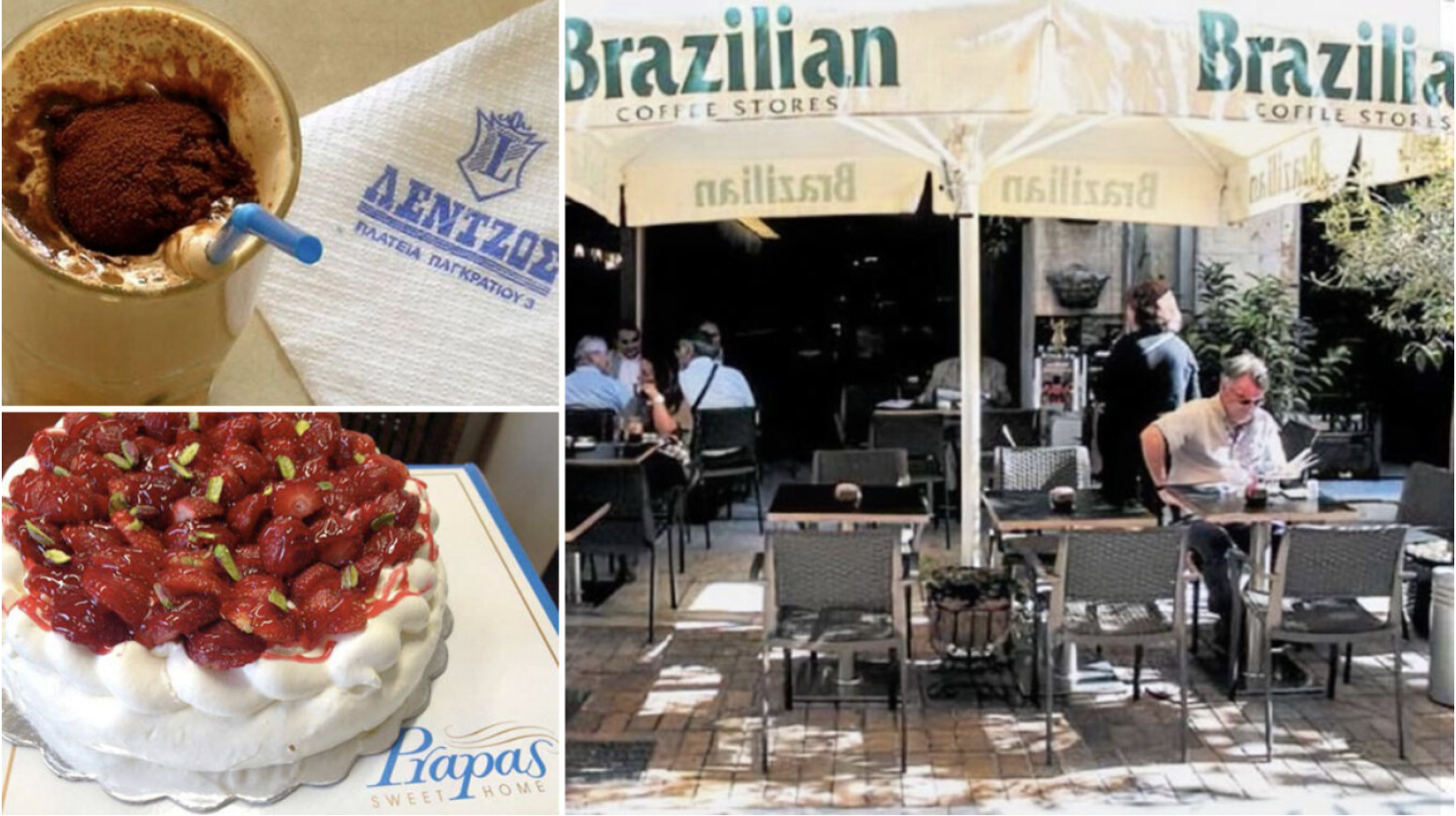
The historic cafes of Athens: 12 legendary hangouts lost to time

The café-patisseries that set the rhythm of cosmopolitan Athens – “Flokas,” “Papaspirou,” “Sonia,” “Alaska,” “Lentzos,” “Floral,” “Blue Bell,” “Prapas,” “Pachos,” “Galaxy,” “Caprice,” “Centaur” were the most popular meeting points where modern Greek history was written, became songs and books, and left their mark with their famous culinary creations

January 16, 2026

Actress Melpo Zarokosta dies at 93

January 16, 2026

Cycladic Identity Initiative launches fourth funding phase to preserve the Cultural and Natural Heritage of the Cyclades

January 16, 2026

Grief in Crete for the loss of Yannis Xylouris

January 15, 2026

“A Picasso for 100 euros” — Christie’s for a million-euro painting

January 15, 2026
Homepage
PERSONAL DATA PROTECTION POLICY COOKIES POLICY TERM OF USE
Powered by Cloudevo
Copyright © 2026 Πρώτο Θέμα