





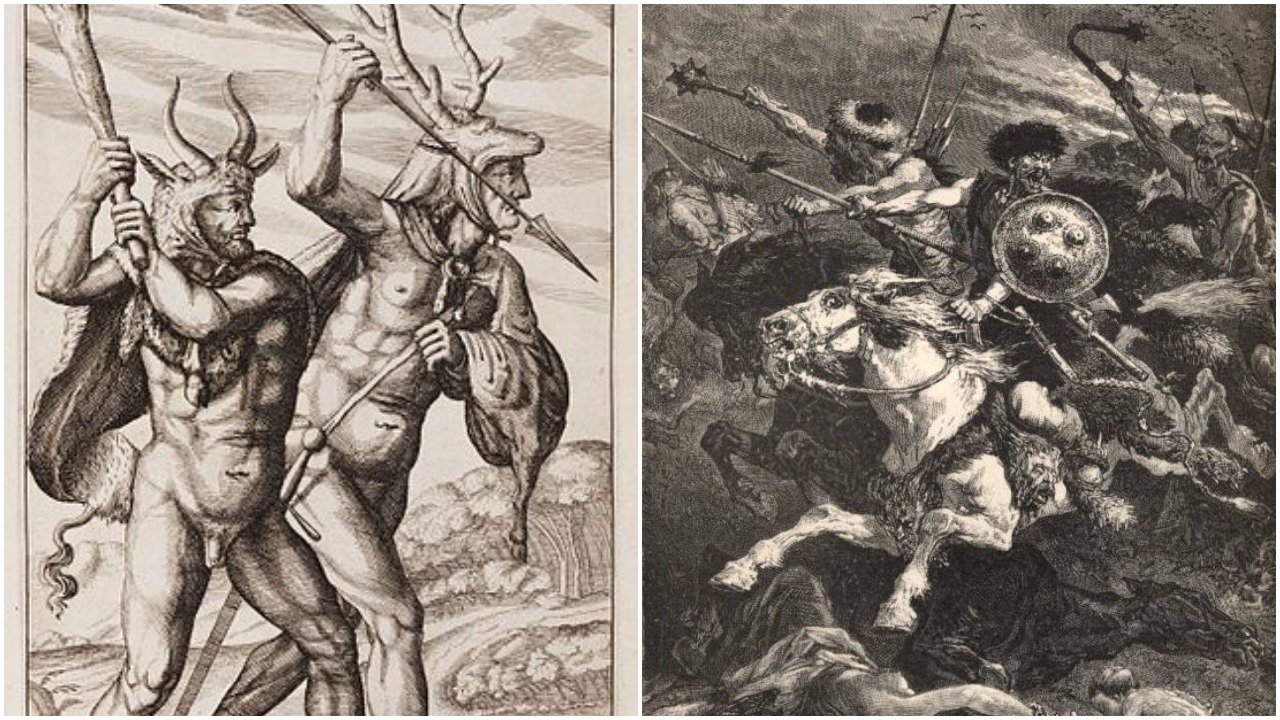
The term “barbarian” is nowadays commonly used to describe people who are uncivilized, primitive or violent. It is also often used to refer to those who break the law or stand by obsolete and unconventional ideals.
The term was used by various civilizations throughout history: Ancient Greeks and Romans used it to describe foreign nations which they thought were less developed and less civilized. During the early modern period, the term spread across the world and became a common pejorative for inferior social classes, hostile nations and nomad cultures.
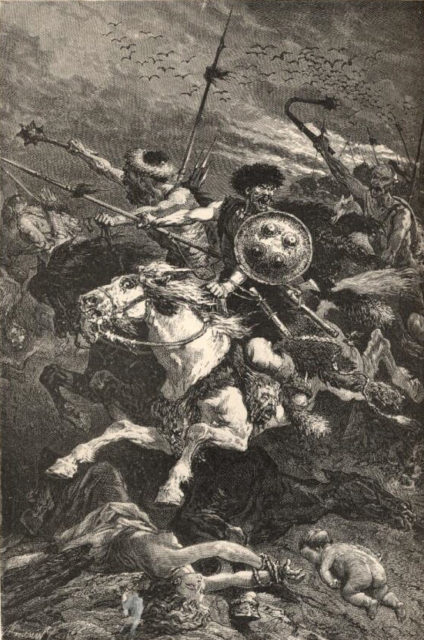
(19th-century portrayal of the Huns as barbarians)
Nowadays, almost every spoken language contains either the standard Anglicized term “barbarian,” or has an original equivalent of the term that conveys similar pejorative meaning. However, many people use the term without being aware of its original context, which is historically significant and reflects the ever-changing nature of language.
The term was coined by the Ancient Greeks, who used it to describe Egyptians, Persians, Phoenicians, and other nations that spoke foreign languages. The word “barbarian” was originally an onomatopoeic word which described people who spoke gibberish. Although many Greek philosophers and noblemen constantly communicated with other cultures, regular citizens couldn’t understand any foreign words.
When they encountered a foreigner, all they heard was “bar bar bar” because they were unfamiliar with foreign languages and they couldn’t decipher any unfamiliar words. Therefore they coined the word “barbaros”, which simply described people who spoke a language other than Greek.
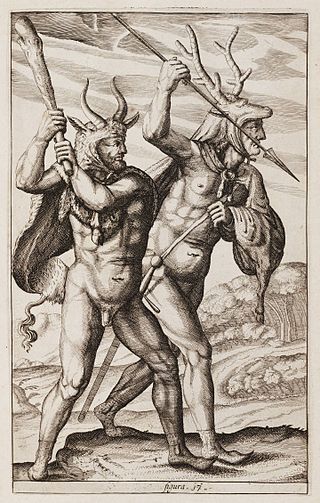
(Germanic barbarians as depicted in Philipp Clüver’s Germania Antiqua, 1616)
The pejorative meaning of the term emerged during the Hellenic period of Ancient Greece, which emerged after the so-called Golden Age of Greek civilization. At that time Greeks developed stereotypes of barbarism: they considered barbarians to be childish, effeminate, violent, and cruel. They thought that barbarians couldn’t accept any civilized laws because their cultures were extremely primitive.
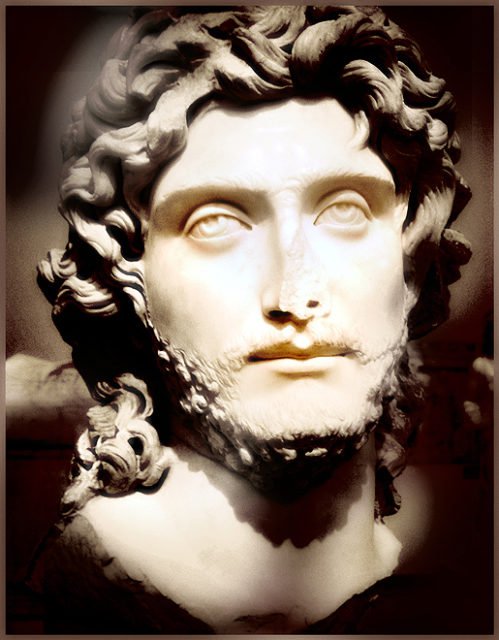
(Head of a barbarian, Probably a Client King. Acropolis Museum)
Although the Ancient Greeks were a highly progressive culture which was the cradle of the Western civilization, their notion of barbarism reflected a xenophobic and narrow-minded attitude towards foreign cultures. The stereotypes of barbarism were often emphasized even by prominent Greek orators who were famous for their influence and persuasive powers.
For example, an ancient Greek rhetorician named Isocrates urged the authorities to wage war against Persians in the 4th century BC. His main argument for warmongering was that Persians were vicious barbarians and that their eradication would rid Greece of all socioeconomic troubles.
The term “barbarian” is nowadays used all over the world. Its historical development was intriguing, as it spread across continents and conveyed an array of stereotypes.
Its etymology provides insight into the creativity and linguistic ingenuity of the Ancient Greeks, but it also highlights their ancient narrow-mindedness and Greek-centrism.
Ask me anything
Explore related questions


